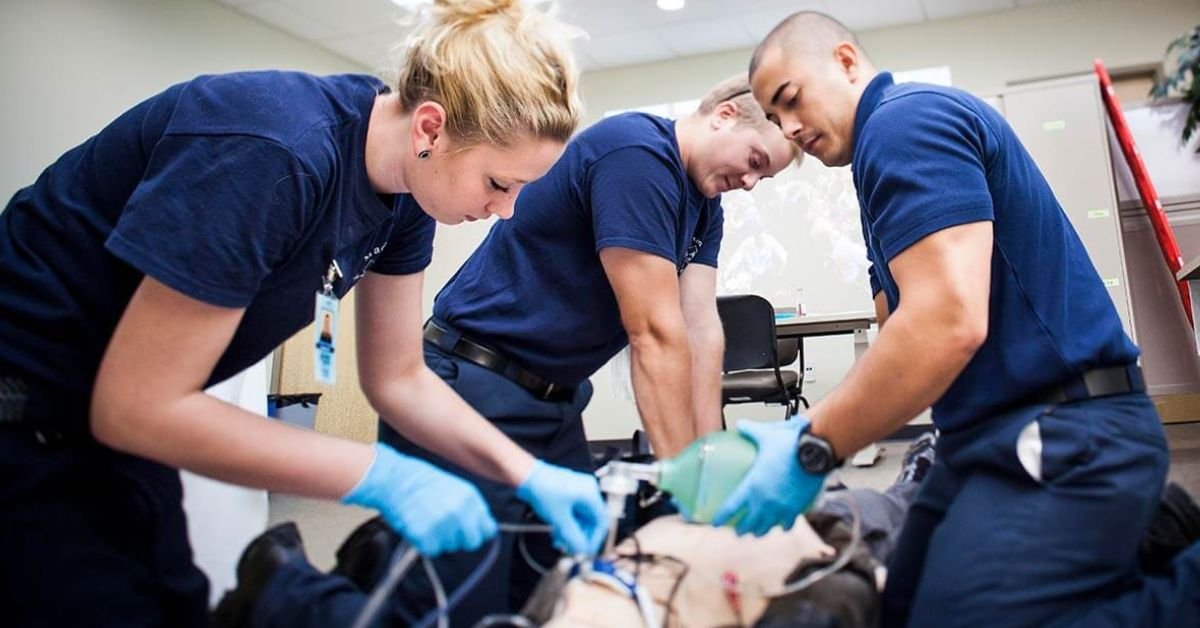
Canada’s healthcare and emergency services sector offers career opportunities for trained Emergency Medical Responders (EMRs) who can provide immediate medical assistance during accidents, injuries, medical emergencies, and other critical situations. EMRs may work with ambulance services, industrial sites, event medical teams, remote communities, private medical companies, and emergency response organizations.
If you are searching for Emergency Medical Responder jobs in Canada, this guide explains the role, responsibilities, qualifications, salary considerations, work environment, and application process.
Emergency Medical Responder Jobs in Canada – Job Overview
Job Title: Emergency Medical Responder (EMR)
Job Location: Various locations across Canada
Employment Type: Full-time, Part-time, Casual, Contract
Industry: Healthcare, Emergency Medical Services, Public Safety
Experience: Entry-level and experienced positions may be available
Education: EMR training/certification or equivalent, depending on the employer and province
Work Schedule: Day, evening, overnight, weekend and holiday shifts may be required
Emergency Medical Responders are generally among the first healthcare professionals or trained responders to arrive at an emergency. Their work can involve assessing patients, providing immediate care within their authorized scope of practice, assisting paramedics, preparing patients for transportation, and maintaining emergency equipment.
The Paramedic Association of Canada maintains a National Occupational Competency Profile for EMRs, while actual practice and authorization are determined by provincial legislation and regulatory requirements.
Duties and Responsibilities
An Emergency Medical Responder may perform a range of important emergency-care duties. Depending on the employer, province, and scope of practice, responsibilities can include:
- Responding quickly to medical emergencies and accidents
- Assessing patients and identifying immediate medical needs
- Providing first aid and emergency medical care
- Supporting patients experiencing injuries or sudden illness
- Assisting paramedics during emergency responses
- Monitoring patients and reporting changes in their condition
- Helping move and safely transport patients
- Preparing emergency medical equipment
- Maintaining ambulances, response vehicles, or medical supplies
- Completing patient-care documentation
- Communicating effectively with dispatchers, healthcare professionals and emergency teams
- Following workplace health and safety procedures
- Supporting emergency response operations at industrial sites, public events or remote locations
Because emergency situations can change quickly, employers look for candidates who remain calm, communicate clearly and follow established medical procedures.
Requirements for Emergency Medical Responder Jobs
Requirements vary significantly between employers and provinces. Candidates should always verify the requirements for the specific position and province before applying.
Common requirements may include:
- Recognized Emergency Medical Responder training
- Current first aid and CPR certification
- Relevant emergency-care credentials
- Valid driver’s licence where driving is part of the position
- Ability to pass employer-required screening
- Good communication and interpersonal skills
- Physical ability to perform emergency-response duties
- Ability to work shifts, weekends and holidays
- Ability to work effectively under pressure
- Previous healthcare, first-response or emergency-service experience may be an advantage
The Paramedic Association of Canada notes that EMR practice is regulated provincially, meaning the exact authorization and scope of practice can differ from one province or territory to another.
Skills Employers Look For
Successful EMRs need more than technical knowledge. Emergency response requires professionalism, reliability and strong decision-making skills.
Important skills include:
Emergency Response Skills
Candidates should understand emergency assessment, basic patient care, first aid procedures and appropriate escalation of serious medical conditions.
Communication Skills
EMRs regularly communicate with patients, family members, paramedics, dispatchers and other healthcare professionals. Clear communication is especially important during stressful emergencies.
Teamwork
Emergency medical services depend on teamwork. EMRs may work alongside paramedics, nurses, physicians, firefighters, police officers, industrial safety teams and other responders.
Physical Fitness
Some positions involve lifting, carrying equipment, assisting patients and working in difficult environments. Employers may therefore expect candidates to meet physical requirements.
Emotional Control
Emergency responders can encounter serious injuries and stressful situations. Remaining professional and focused is an important part of the job.
Where Can Emergency Medical Responders Work?
EMR employment opportunities can exist in different environments throughout Canada. Depending on their qualifications and authorization, workers may find opportunities with:
- Ambulance and emergency medical services
- Industrial and construction companies
- Mining and natural-resource operations
- Event medical services
- Remote and rural response organizations
- Private healthcare companies
- Community emergency-response organizations
- Occupational health and safety teams
- Recreational and outdoor organizations
Some jobs may require employees to work in remote areas or follow rotational schedules. Others may involve regular shifts in urban or suburban locations.
Salary and Benefits
Compensation for Emergency Medical Responders varies according to province, employer, experience, certifications, job responsibilities and work schedule. Some positions may offer hourly wages, while others provide annual salaries.
Potential benefits can include:
- Competitive hourly pay
- Overtime opportunities
- Paid vacation
- Health and dental benefits
- Pension or retirement programs
- Employee assistance programs
- Training and professional development
- Shift premiums
- Travel or accommodation benefits for certain remote positions
Applicants should carefully review the official job advertisement because salary and benefits are not the same for every employer.
Emergency Medical Responder Jobs for Foreign Workers
International applicants should understand that having overseas emergency medical experience does not automatically authorize someone to practise as an EMR in Canada.
Canadian occupational requirements can depend on the province or territory and the specific employer. Applicants with foreign education or credentials should investigate recognition requirements before accepting employment.
Canada uses the National Occupational Classification (NOC) system to classify occupations based on factors such as training, education, experience and responsibilities.
If you are considering immigration through Express Entry, you should also check whether your specific occupation and experience meet the requirements of the immigration program you intend to use. IRCC states that skilled work experience for the Federal Skilled Worker Program must generally fall within TEER 0, 1, 2 or 3 and must match the applicable NOC duties.
Importantly, a job advertisement should not be interpreted as a guarantee of a Canadian work permit, LMIA, permanent residence or immigration approval.
How to Apply for EMR Jobs in Canada
Start by preparing a professional Canadian-style resume highlighting your emergency medical training, certifications, work experience and relevant skills.
Your application should generally include:
- An updated resume
- Relevant EMR certificates
- First aid and CPR credentials
- Work experience details
- Driver’s licence information where required
- References if requested
- A professional cover letter when appropriate
Search Canadian employer career pages and reputable job boards for vacancies. Read each posting carefully and apply only when you meet the stated qualifications.
Career Growth
An EMR position can provide valuable experience in emergency healthcare and public safety. Depending on provincial regulations, education and career goals, workers may pursue additional training and move toward other emergency medical or healthcare roles.
Professional development can also help responders maintain their competencies and keep their certifications current.
Apply Now
By email
Final Thoughts
Emergency Medical Responder jobs in Canada can be rewarding for people who want to work in emergency healthcare and public safety. The role requires training, professionalism, physical readiness, communication skills and the ability to respond calmly during challenging situations.
Because EMR practice is regulated at the provincial level, applicants should verify certification, licensing and scope-of-practice requirements for the province where they want to work.
For international candidates, it is equally important to distinguish between finding an EMR job and obtaining authorization to work in Canada. Immigration programs have their own eligibility rules, and a job offer does not by itself guarantee a visa or permanent residence.
